November 25, 2026
Choosing a new roof is a major decision that affects your home's protection, appearance, and long-term maintenance needs. With several roofing materials available, homeowners often compare metal roofing and asphalt shingles because both offer practical benefits. Each option has different costs, installation requirements, durability expectations, and design possibilities. The right choice depends on your budget, property conditions, personal preferences, and plans for the future. Some homeowners prioritize an affordable installation, while others prefer investing in a roofing system designed to last for decades. Consulting a local roofing contractor can help you understand how each material performs and which option makes sense for your home. Before making a final decision, it is helpful to compare the most important differences between metal and asphalt shingle roofing.
Comparing Initial Installation Costs
Budget is often one of the first considerations when deciding between metal roofing and asphalt shingles. Asphalt shingles generally have a lower upfront installation cost, making them an accessible option for homeowners working with limited budgets. Metal roofing typically requires a larger initial investment because of material costs, specialized installation techniques, and additional labor considerations. According to This Old House, metal roofing can cost considerably more than asphalt roofing initially, but it can also last up to three times longer. This difference makes it important to consider more than the initial price when comparing the two materials. A local roofing contractor can provide estimates based on your roof's size, slope, design, and existing condition. Homeowners should also ask what is included in each estimate, such as underlayment, flashing, ventilation improvements, and removal of old materials. Comparing complete project costs helps create a more realistic picture of what each roofing option will require.
Evaluating Long-Term Roof Durability
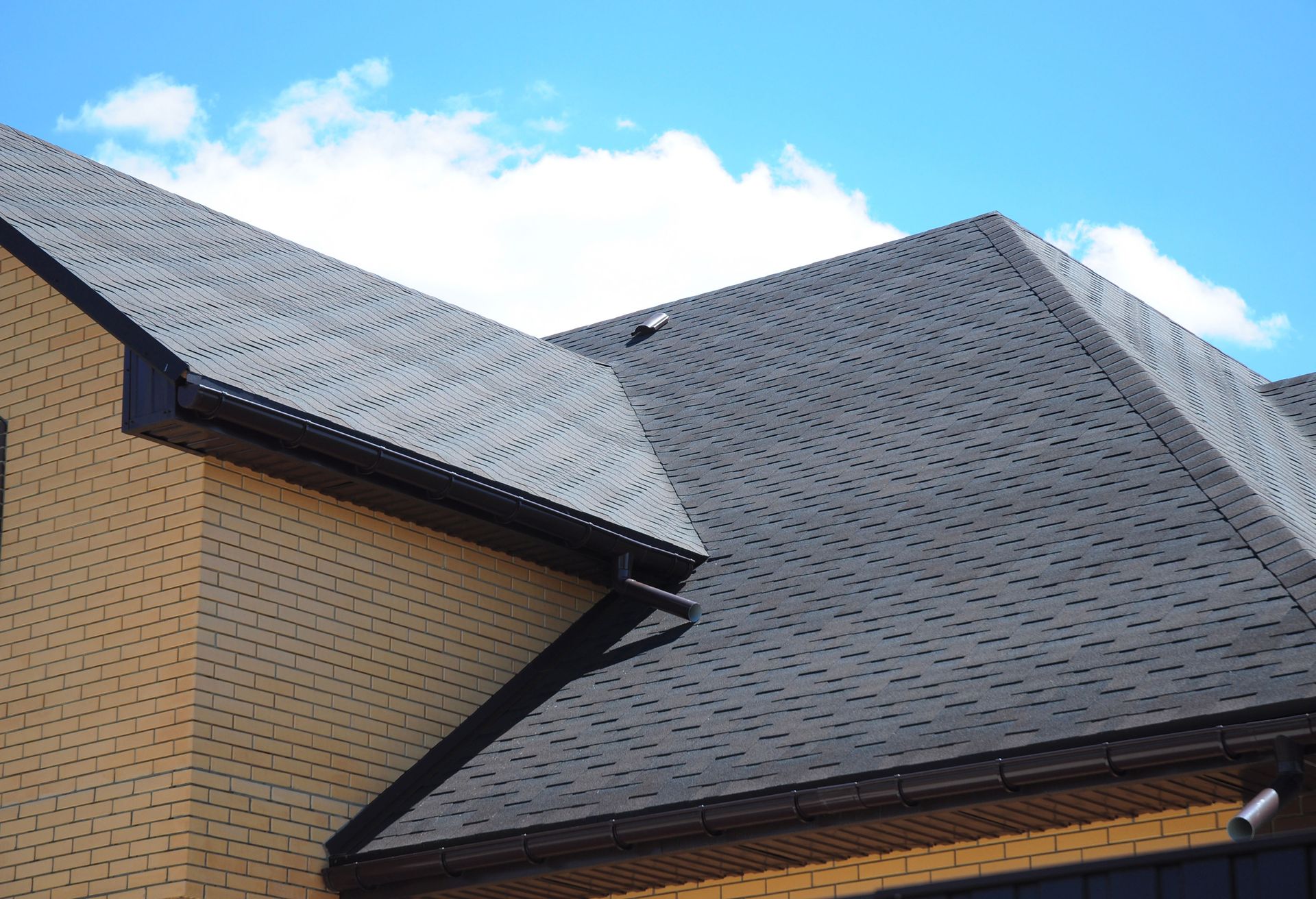
Durability is another important factor because a roof must withstand years of changing weather and environmental exposure. Metal roofing is known for its strength and ability to resist many common forms of deterioration. Depending on the material, coating, installation quality, and maintenance, metal roofs can provide decades of service. Asphalt shingles also offer dependable protection, although their lifespan varies according to product quality, ventilation, installation, and weather conditions. Prolonged exposure to intense sunlight, heavy rain, strong winds, and temperature changes can gradually affect roofing materials. A local roofing contractor can explain which products are appropriate for your property's conditions and expected maintenance needs. Homeowners should also review manufacturer warranties and understand what circumstances may affect coverage. Considering durability alongside installation costs can help determine which roofing system offers the most suitable long-term value.
Comparing Weather Resistance and Protection
Your roof serves as the primary barrier between your home and outdoor conditions. Metal roofing can provide strong resistance to wind and rain when the panels, fasteners, seams, and flashing are properly installed. Many metal roofing systems are also designed to shed water efficiently, reducing opportunities for moisture to collect on the surface. Asphalt shingles offer reliable weather protection when installed correctly and maintained as needed. However, damaged, missing, or lifted shingles can create openings where water may reach the underlying roof structure. A qualified local roofing contractor can evaluate the weather exposure around your property and recommend suitable materials. Homeowners should consider local wind conditions, rainfall patterns, surrounding trees, and other environmental factors before choosing a roof. Selecting a system that matches these conditions helps support dependable protection throughout the year.
Understanding Maintenance Requirements
Every roofing system requires some attention to remain in good condition. Metal roofs generally need periodic inspections to check for loose fasteners, damaged panels, worn sealants, and other potential concerns. Although metal is resistant to many common roofing problems, scratches, coating damage, and improperly sealed areas should not be ignored. Asphalt shingles may require more frequent attention to identify missing shingles, granule loss, cracking, or deterioration around roof penetrations. Routine inspections can help homeowners identify small problems before they develop into larger repairs. A local roofing contractor can recommend an inspection schedule based on the roofing material, age, and condition of the installation. Homeowners should also keep gutters clear and remove debris that could interfere with proper drainage. Consistent maintenance helps preserve the performance of either roofing option.
Exploring Appearance and Design Options
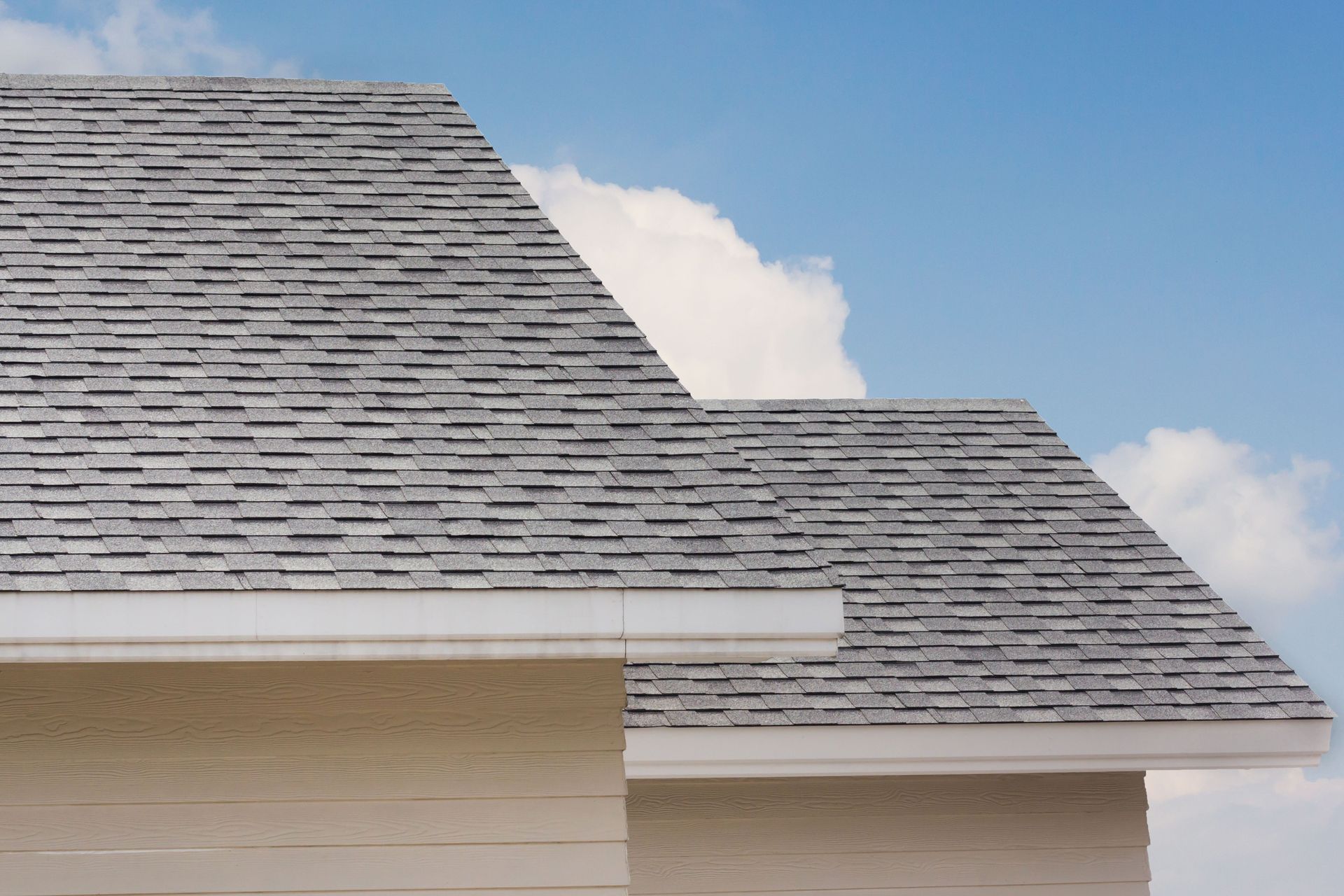
A roof contributes significantly to a home's overall appearance, so visual preferences should be part of the selection process. Asphalt shingles are available in numerous colors, textures, and architectural styles that complement many traditional and contemporary homes. Architectural shingles can create additional depth and dimension compared with basic three-tab products. Metal roofing also offers a variety of finishes, profiles, and colors that can give a property a distinctive appearance. Standing seam panels provide a clean, modern look, while other metal styles can resemble traditional roofing materials. A local roofing contractor can help homeowners review available products and determine which options suit the property's architecture. It is also useful to consider neighborhood guidelines, homeowners association requirements, and any applicable building restrictions. Choosing a roof that complements the home's design can improve its overall appearance while providing practical protection.
Considering Energy Efficiency and Indoor Comfort
Roofing materials can influence how much heat a home absorbs from sunlight. Certain metal roofing products have reflective finishes that help reduce solar heat absorption, potentially supporting improved indoor comfort during warmer months. Some metal systems can also work with appropriate insulation and ventilation to help manage attic temperatures. Asphalt shingles vary in their reflective properties depending on their color, composition, and product design. Lighter-colored or specially manufactured shingles may offer different thermal performance than darker conventional products. A knowledgeable local roofing contractor can explain available roofing options and how they may interact with your home's existing ventilation and insulation. Homeowners should remember that roofing material is only one part of overall energy performance. Proper attic insulation, ventilation, air sealing, and HVAC efficiency also influence indoor temperatures and energy use.
Reviewing Installation and Replacement Considerations
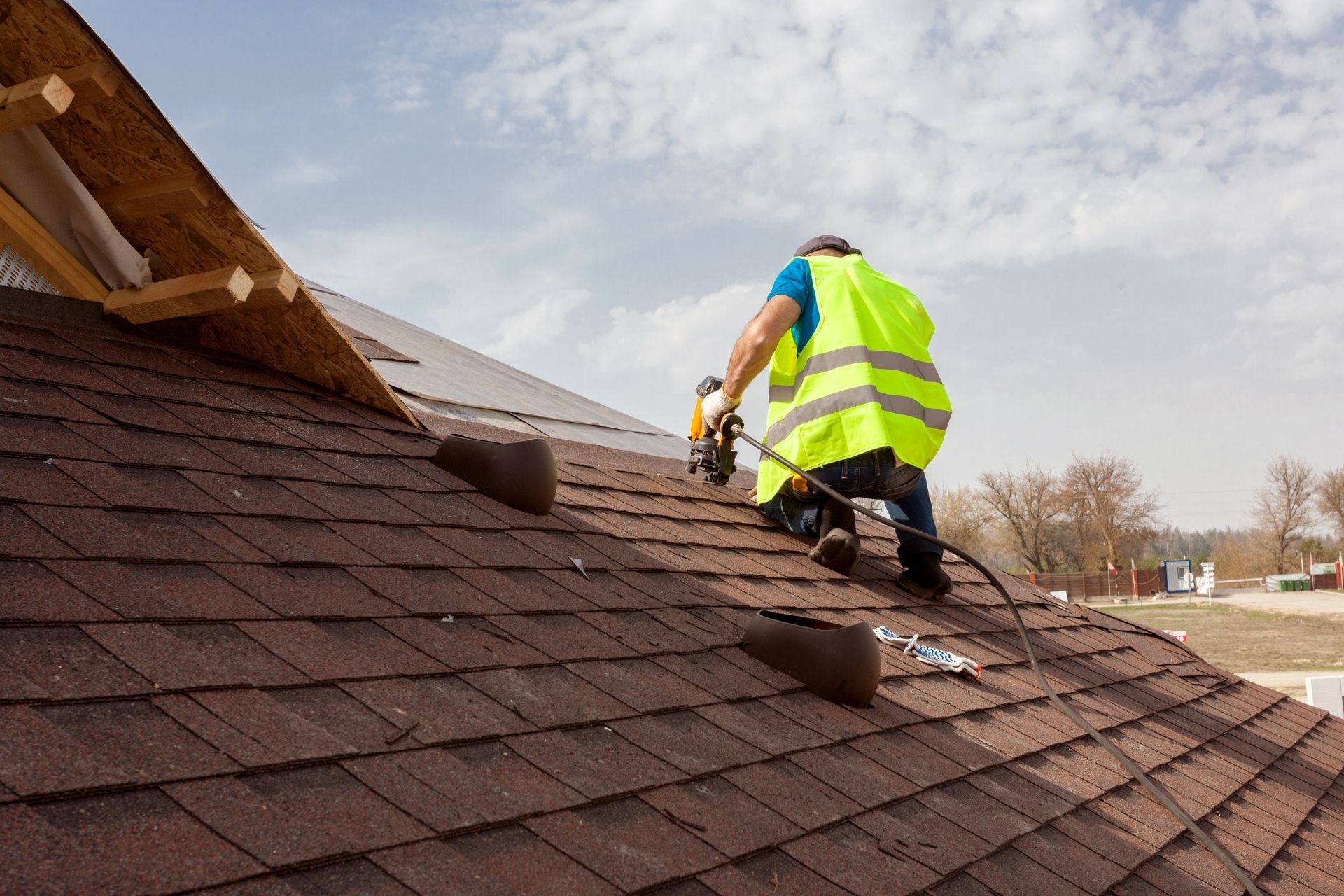
The installation process can differ considerably between metal roofing and asphalt shingles. Asphalt shingles are commonly installed using established roofing methods, although roof complexity and existing conditions can affect the project timeline. Metal roofing may require specialized tools, precise panel measurements, and careful attention to seams and fastening systems. Both materials depend on proper preparation, flashing, ventilation, and installation techniques to perform as intended. Existing roof damage or structural concerns may also need to be addressed before new materials are installed. A local roofing contractor can inspect the roof and explain what preparation work may be necessary. Homeowners should ask about scheduling, property protection, debris removal, and how unexpected conditions will be handled. Understanding the installation requirements ahead of time helps reduce confusion throughout the replacement process.
Matching Roofing Materials to Your Long-Term Plans
The best roofing material is not necessarily the one with the lowest price or longest expected lifespan. Homeowners should consider how long they plan to remain in the property, how much they can comfortably invest, and what maintenance responsibilities they prefer. Asphalt shingles may be a practical choice for those who want a more affordable installation with a familiar appearance. Metal roofing may appeal to homeowners who prioritize longevity and are prepared for a higher initial expense. Property design, local weather exposure, product warranties, and future resale considerations can also influence the decision. An experienced local roofing contractor can explain the advantages and limitations of each option based on the home's specific needs. Reviewing estimates and product details makes it easier to compare the actual value of different roofing systems. Taking time to evaluate these factors can help homeowners select a roof that supports their priorities for years to come.
Metal roofing and asphalt shingles both offer useful benefits, but they serve different budgets, preferences, and long-term goals. Asphalt shingles provide an affordable and versatile option, while metal roofing offers durability and an extended service life that may justify its higher initial cost. The right choice depends on your property's condition, desired appearance, maintenance expectations, and investment plans. McNutt Roofing Inc can help homeowners compare roofing materials, understand installation considerations, and determine which solution fits their needs. Contact us to discuss your roofing project and take the next step toward protecting your home with the right roofing system.