July 27, 2026
Deciding to move forward with a full roof installation represents a significant investment in your home's protection and long-term value, yet many homeowners feel uncertain about what the actual process genuinely involves once they've made this decision. Understanding what to expect throughout each stage of installation helps set realistic expectations while also allowing you to better prepare your household for the disruption a project of this scale inevitably brings. Working closely with an experienced roofing contractor throughout this process ensures clear communication and helps address any questions that arise along the way. Given how frequently this type of project occurs across the country, understanding the general process benefits a substantial number of homeowners each year. According to RubyHome, approximately 5 million new roofs are installed across the US each year, reflecting just how common this significant home improvement project remains for property owners nationwide. Below, we'll explore what to expect during a full roof installation with your roofing contractor.
Completing the Initial Assessment and Planning Phase
Before any actual installation work begins, a thorough initial assessment allows your roofing contractor to properly evaluate your home's specific structure, existing roofing condition, and any unique considerations that might affect the project's approach. This assessment typically includes examining the roof deck condition, checking for any underlying structural concerns, and discussing your specific material preferences and budget considerations. This planning phase also involves finalizing project timelines, material orders, and any necessary permits required by your local municipality before work can officially begin. Taking time to thoroughly address these planning details upfront helps prevent unexpected complications or delays once the actual installation process gets underway. This initial assessment and planning stage forms the foundation for a smooth, well-organized installation process throughout the remainder of the project.
Preparing Your Property Before Installation Day
In the days leading up to your scheduled installation, your roofing contractor typically provides guidance on how to properly prepare your property, including moving vehicles away from the work area and protecting any valuable items in your yard or garage from potential debris. Homeowners should also plan for the significant noise associated with roof installation, particularly if they work from home or have specific scheduling considerations that might be affected during the project days. Some contractors recommend covering or moving items in your attic space as well, given how vibration and activity on the roof can sometimes dislodge dust or minor debris into this area below. Taking these preparation steps seriously helps protect your property while also ensuring the installation crew can work efficiently without unnecessary obstacles. This preparation phase represents an important collaborative step between homeowners and their roofing contractor to ensure a smooth installation day.
Removing the Existing Roofing Material
The installation process typically begins with removing your existing roofing material down to the roof deck, allowing the crew to properly assess the underlying structure and address any necessary repairs before installing new materials. This removal process generates significant debris, which experienced roofing contractors typically manage through tarps, dumpsters, or other collection methods to keep your property as clean as possible throughout this messier phase of the project. During this removal stage, technicians often identify any underlying issues, such as damaged decking or ventilation problems, that need to be addressed before proceeding with new installation. This thorough removal and assessment process ensures the new roof is being installed over a genuinely solid, appropriate foundation rather than simply covering existing problems. This foundational work represents a critical, though sometimes overlooked, stage in achieving a truly successful roof installation.
Addressing Necessary Deck Repairs
Once the old roofing material has been removed, your roofing contractor can properly evaluate the condition of the underlying roof deck, sometimes identifying areas of rot, water damage, or structural weakness that require repair before new materials can be properly installed. This deck repair work is essential for ensuring your new roof has a solid, stable foundation, since installing new materials over compromised decking would significantly undermine the longevity and performance of the entire roofing system. Depending on the extent of any necessary repairs, this stage can sometimes extend the overall project timeline slightly beyond initial estimates, making clear communication with your contractor about any discovered issues particularly important. Addressing these deck repairs properly, rather than simply covering over existing problems, represents an essential step that experienced roofing contractors prioritize despite any potential impact on project timeline or cost. This thorough approach to deck evaluation and repair helps ensure your new roof achieves its full expected lifespan.
Installing Proper Underlayment and Flashing
Before new shingles or roofing material go down, your roofing contractor installs appropriate underlayment across the roof deck, providing an additional layer of protection against water infiltration beneath the visible roofing material. This stage also typically includes installing new flashing around chimneys, vents, skylights, and other roof penetrations, since these areas represent particularly vulnerable points for potential leaks if not properly sealed. Proper underlayment and flashing installation requires careful attention to detail, since these components play a crucial role in the roof's overall water resistance and longevity, even though they remain largely invisible once the project is complete. Experienced roofing contractors understand the specific techniques and material choices needed to achieve genuinely effective protection at these critical points. This often unseen but essential installation work forms an important protective layer beneath your roof's visible surface materials.
Installing New Roofing Materials
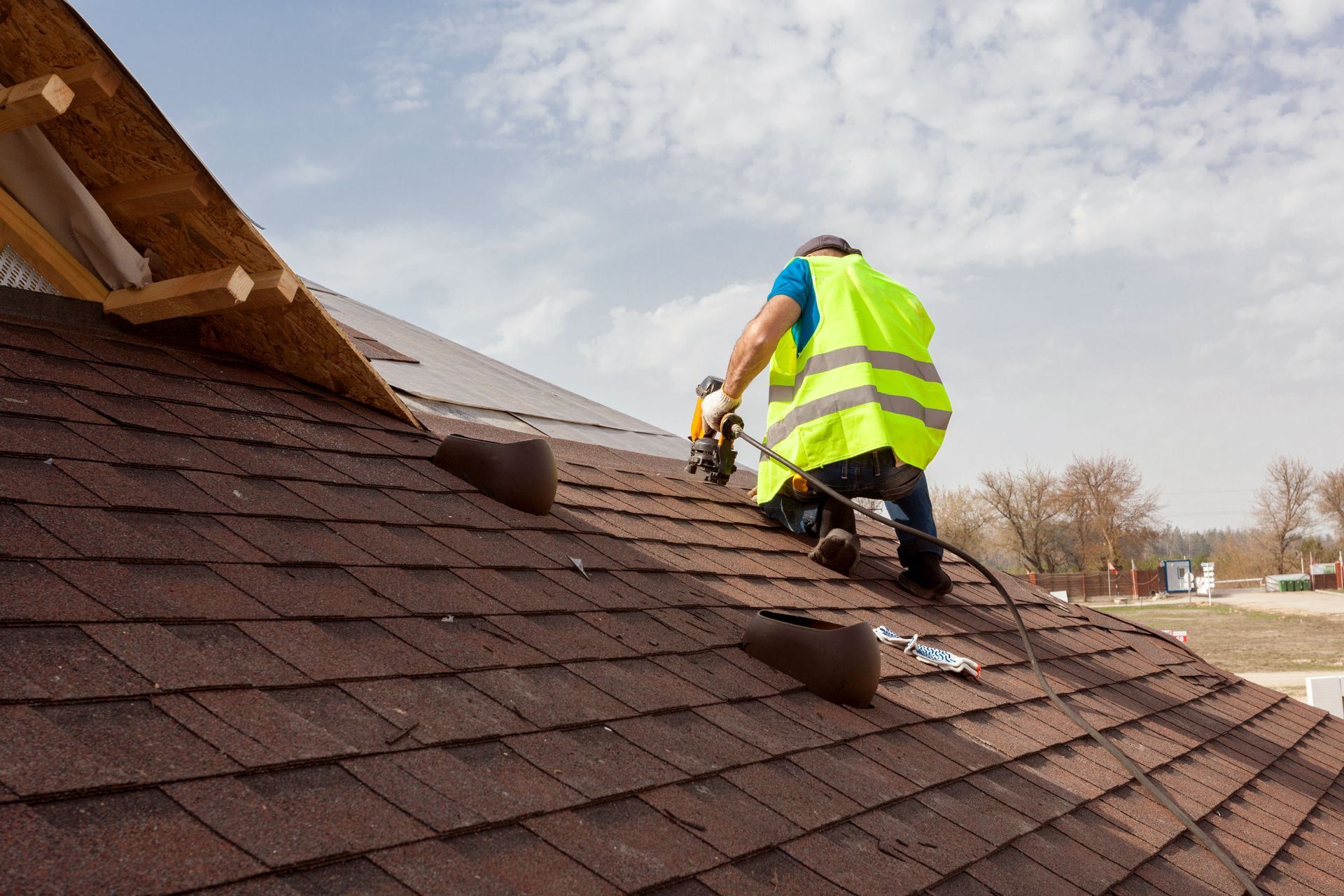
With proper underlayment and flashing in place, your roofing contractor proceeds with installing your selected roofing material, whether that's asphalt shingles, metal roofing, or another chosen option, following manufacturer specifications for proper installation technique. This stage typically represents the most visually apparent part of the project, as your home's new roof gradually takes shape throughout the installation process. Skilled installation crews work methodically across the roof surface, ensuring proper alignment, secure fastening, and appropriate overlap between materials to achieve both aesthetic appeal and genuine weather resistance. This careful, methodical approach to installation significantly impacts how well your new roof will perform and how long it will last throughout its expected lifespan. Watching this stage of the project often provides homeowners with genuine satisfaction as they see their roofing investment visibly taking shape.
Conducting Final Cleanup and Inspection
Once installation is complete, reputable roofing contractors conduct thorough cleanup of your property, removing debris, old materials, and any nails or fasteners that might have fallen into your yard during the project. This cleanup phase often includes a magnetic sweep of the property specifically designed to catch any stray nails that could otherwise pose a safety hazard for family members, pets, or vehicles. Following cleanup, a final quality inspection typically occurs, allowing your contractor to verify proper installation throughout the entire roof and address any remaining questions or concerns before considering the project fully complete. This final stage provides an important opportunity for homeowners to walk through the finished project with their contractor, ensuring genuine satisfaction with the completed installation. This thorough conclusion to the project reflects the kind of professional, comprehensive service quality roofing contractors should consistently provide.
At McNutt Roofing Inc, we understand how significant a full roof installation project is for homeowners, and we're committed to providing clear communication and quality craftsmanship throughout every stage of this important process. Our experienced team prioritizes thorough assessment, proper repair work, and meticulous installation techniques, ensuring your new roof performs reliably for many years to come. We believe that keeping homeowners informed throughout the process helps create a smoother, more confident experience during this significant home improvement investment. Whether you're just beginning to consider a roof replacement or ready to move forward with your project, our knowledgeable team is here to help guide you through every step. If you're ready to work with a trusted
roofing contractor for your full roof installation, contact McNutt Roofing Inc today to schedule your consultation.